Food Tourism Trends 2026
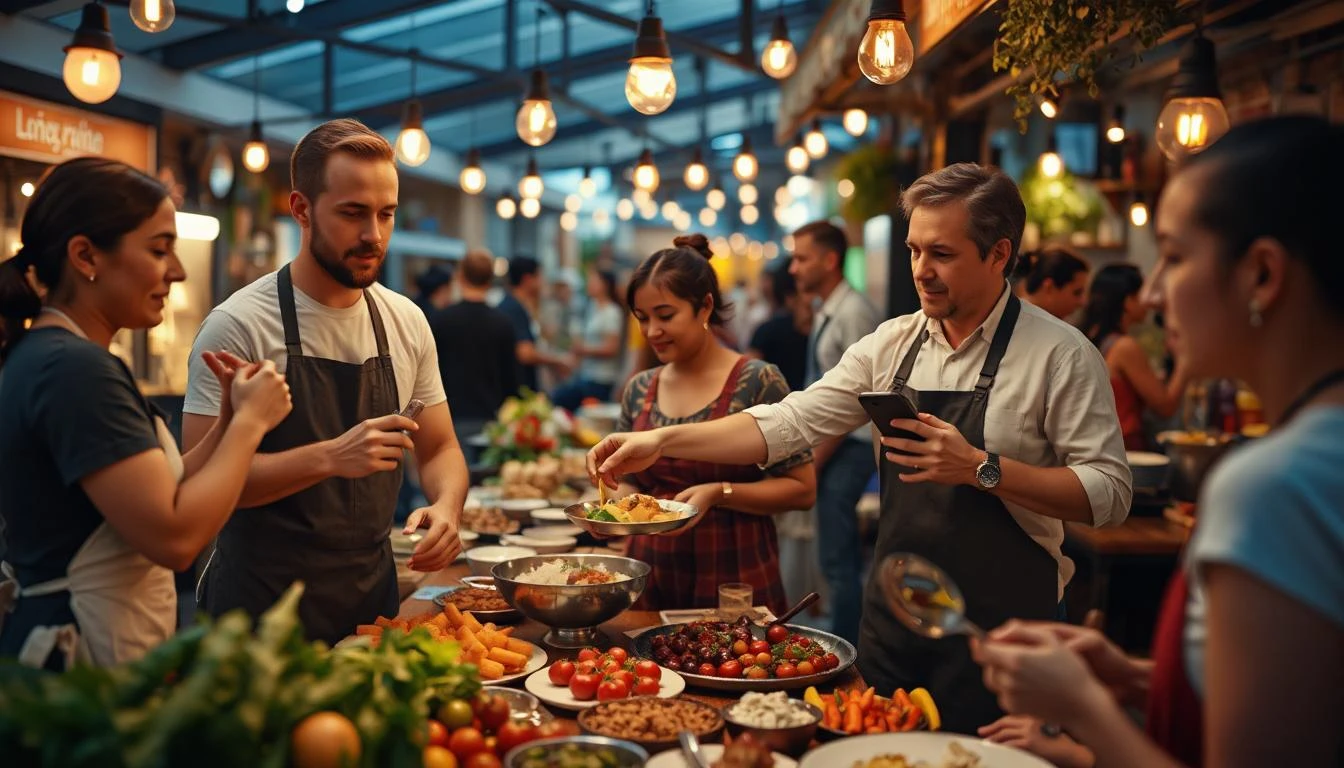
Food has evolved far beyond a simple necessity. In 2026, it has become one of the strongest reasons people choose where to travel, what experiences to pursue, and how they connect with local cultures. Across the globe, travelers are looking for authentic moments that allow them to understand a destination through its flavors, traditions, and culinary heritage. A single meal can now tell a story that no guidebook can fully capture.
The rapid growth of food tourism trends reflects a major shift in traveler behavior. Instead of building itineraries around famous landmarks alone, many visitors now prioritize local dining experiences, regional specialties, and hidden culinary gems. This transformation is reshaping tourism industries worldwide and creating new opportunities for destinations that can offer unforgettable food-centered adventures.
The Rise of Culinary Travel in 2026
Travelers today want more than sightseeing. They want meaningful experiences that create lasting memories and deeper cultural connections. Food has emerged as one of the most powerful ways to achieve that goal, making culinary exploration an essential part of modern travel planning.
The popularity of culinary travel experiences continues to rise because food offers something uniquely personal. Every dish carries a story, every recipe reflects a tradition, and every dining experience creates a direct connection between visitors and local communities.
Destination Driven Dining Experiences
Destinations are increasingly using their culinary identity as a tourism asset. Travelers are choosing locations based on iconic dishes, regional ingredients, and unique dining concepts that cannot be replicated elsewhere. Whether it is enjoying seafood in a coastal fishing village or experiencing traditional family recipes in a rural community, food has become the primary attraction for many journeys.
As travelers search for authenticity, destinations that showcase their local food culture gain a competitive advantage. This trend encourages regions to preserve culinary traditions while creating immersive visitor experiences.
Social Media Inspired Food Journeys
Social media platforms have dramatically influenced the way travelers discover new destinations. Viral videos, food influencers, and user-generated content regularly inspire millions of people to visit restaurants, markets, and food districts around the world.
A dish shared online can transform a small local business into an international attraction almost overnight. This digital visibility has become a significant driver behind the expansion of culinary tourism and destination marketing strategies.
Emerging Food Tourism Hotspots
While traditional food capitals remain popular, many travelers are now seeking destinations that feel undiscovered. Secondary cities and lesser-known regions are attracting attention because they offer authentic experiences without overwhelming crowds.
Places throughout Southeast Asia, Latin America, Eastern Europe, and Africa are becoming increasingly attractive for travelers looking to experience unique flavors and cultural traditions that remain relatively untouched by mass tourism.
Local and Sustainable Food Exploration
As travelers become more conscious of their impact on the environment and local communities, sustainability is becoming a defining factor in travel decisions. Food tourism is evolving alongside this shift, encouraging visitors to support responsible dining practices and local economies.
Many modern travelers actively seek experiences that combine sustainability with cultural authenticity. They want to know where ingredients come from, how food is produced, and how their spending benefits local communities.
Farm to Table Tourism Experiences
Farm-to-table tourism continues to gain momentum in 2026. Visitors are increasingly interested in experiencing the journey of food from its origin to the dining table. These experiences often include farm visits, ingredient harvesting, and meals prepared using freshly sourced local produce.
This approach provides transparency while helping travelers appreciate the work behind food production. It also creates stronger connections between consumers and producers.
Ethical Food Sourcing Trends
Ethical sourcing has become an important consideration for both travelers and hospitality businesses. Restaurants that prioritize fair-trade products, sustainable seafood, and environmentally responsible farming practices are attracting growing interest.
Consumers are becoming more informed about food supply chains and increasingly support businesses that demonstrate a commitment to ethical and sustainable operations.
Supporting Local Food Producers
One of the most valuable aspects of food tourism is its ability to support local economies. Travelers who choose independent restaurants, local markets, and family-owned businesses contribute directly to community development.
This economic impact helps preserve culinary traditions while creating opportunities for small-scale producers to reach wider audiences. As a result, food tourism becomes a powerful tool for cultural preservation and sustainable growth.
Technology Shaping Food Tourism
Technology is transforming nearly every aspect of travel, and food tourism is no exception. From personalized recommendations to immersive digital experiences, innovation is changing how travelers discover and enjoy food around the world.
Modern travelers expect convenience, personalization, and instant access to information. Technology helps deliver all three while enhancing the overall culinary journey.
AI Powered Restaurant Discovery
Artificial intelligence is revolutionizing restaurant discovery by analyzing traveler preferences, dietary requirements, budgets, and past dining behavior. This allows visitors to receive highly personalized recommendations tailored to their individual tastes.
Rather than relying solely on traditional reviews, travelers can now uncover hidden culinary gems that match their specific interests and expectations.
Digital Food Guides and Reviews
Digital platforms have replaced many traditional travel guides. Real-time reviews, interactive maps, reservation tools, and user-generated recommendations help travelers make informed decisions wherever they go.
Food-focused applications continue to improve the travel experience by providing instant access to valuable information that was previously difficult to obtain.
Virtual Culinary Experiences
Virtual culinary experiences are expanding the way people engage with food before they even begin traveling. Online cooking classes, chef-led demonstrations, and immersive digital food tours allow travelers to explore cuisines from anywhere in the world.
These experiences build anticipation and inspire future travel decisions while making global food cultures more accessible.
Unique Culinary Adventures
Food tourism continues to thrive because travelers are seeking memorable experiences that go beyond traditional dining. They want interaction, discovery, and stories that make each meal unforgettable.
The most successful culinary experiences are those that allow travelers to actively participate rather than simply observe.
Street Food Exploration Trends
Street food remains one of the most authentic ways to experience local culture. Markets, food stalls, and roadside vendors often provide access to traditional recipes that have been passed down through generations.
For many travelers, street food offers a more genuine understanding of daily life than any formal attraction ever could.
Food Festivals and Tasting Events
Food festivals continue to attract international visitors by bringing together chefs, producers, and food enthusiasts in one location. “These events showcase local specialties while celebrating culinary innovation and cultural heritage.”
They also provide opportunities to sample a wide variety of dishes and discover emerging food trends within a single experience.
Interactive Cooking Workshops
Cooking workshops offer travelers the opportunity to learn directly from local experts. These hands-on experiences transform visitors from spectators into participants, creating stronger cultural connections and lasting memories.
Learning how to prepare traditional dishes often becomes one of the most meaningful highlights of a culinary journey.
Plan Your Next Culinary Adventure with Food Tourism Trends
As global travel continues to evolve, food remains one of the most powerful ways to connect with people, cultures, and destinations. The future of tourism is increasingly shaped by authentic experiences, sustainable practices, and innovative technologies that make culinary exploration more accessible than ever before. Culinary expert Anthony Bourdain once observed that food reveals identity, history, and culture in ways few other experiences can, a perspective that continues to resonate with travelers worldwide. Similarly, food researcher Dr. Marion Nestle has emphasized that understanding food systems helps people better understand communities, economies, and cultural traditions.
The growing influence of food tourism trends demonstrates that travelers are no longer satisfied with simply seeing a destination. They want to taste it, understand it, and become part of its story. Whether through local markets, farm-to-table experiences, food festivals, or AI-powered restaurant discovery, every culinary journey offers an opportunity to explore the world from a fresh perspective.
Ready to discover your next unforgettable food adventure? Start exploring the destinations that are shaping the future of culinary travel today.